
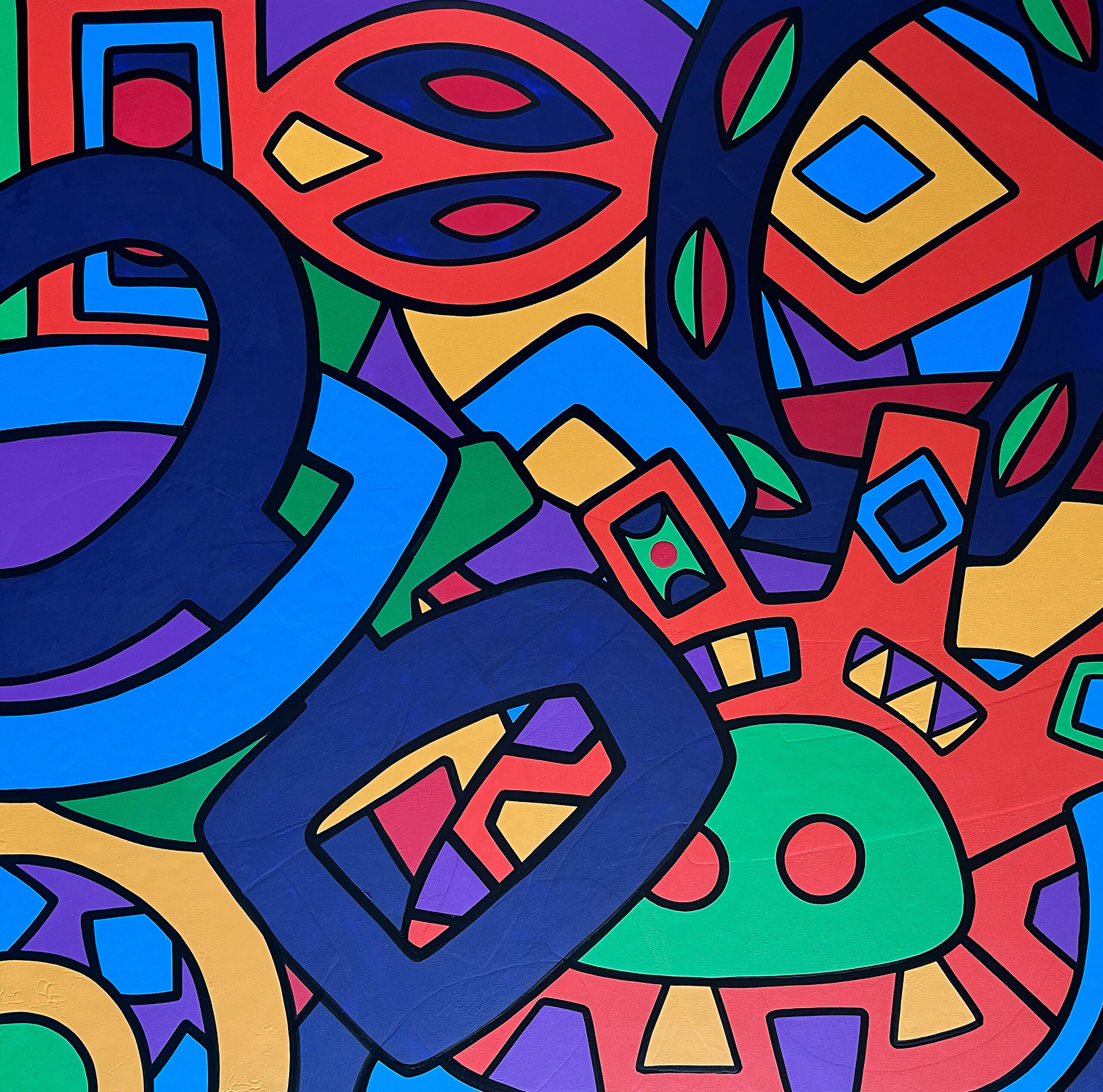
Art has always been humanity’s universal language of healing, but for artist Ramel, it became something even more profound that transformed personal tragedy into a powerful force for connection and empowerment. His journey from childhood trauma to becoming a sought-after artist whose work resonates across cultural boundaries offers a compelling testament to the transformative power of creative expression.
Ramel’s artistic journey began in childhood, inspired by his older brother’s drawing skills. “I developed my talents as a child,” he reflects, though those early years were marked by profound loss. When Robert was just six years old, his father’s suicide cast a long shadow over his young life, leaving him to grapple with fears about his own mental health that would follow him for decades.
Despite these early challenges, Ramel’s creative spirit flourished. He discovered talents not just in visual art, but in poetry, music, and various instruments. Yet it would take years — and numerous life trials — before he understood how these gifts could become his salvation.
The Healing Power of Color
Life tested Ramel repeatedly through personal betrayals, relationship challenges, and the devastating loss of his mother. The ultimate trial came with a terminal cancer diagnosis that could have marked the end of his story. Instead, it became the beginning of his most important chapter.
“I found solace in art,” Robert shares. “It became a healing journey and a part of my life.” What started as a coping mechanism evolved into something much more significant, a “voice in color” that could express what words sometimes couldn’t capture.
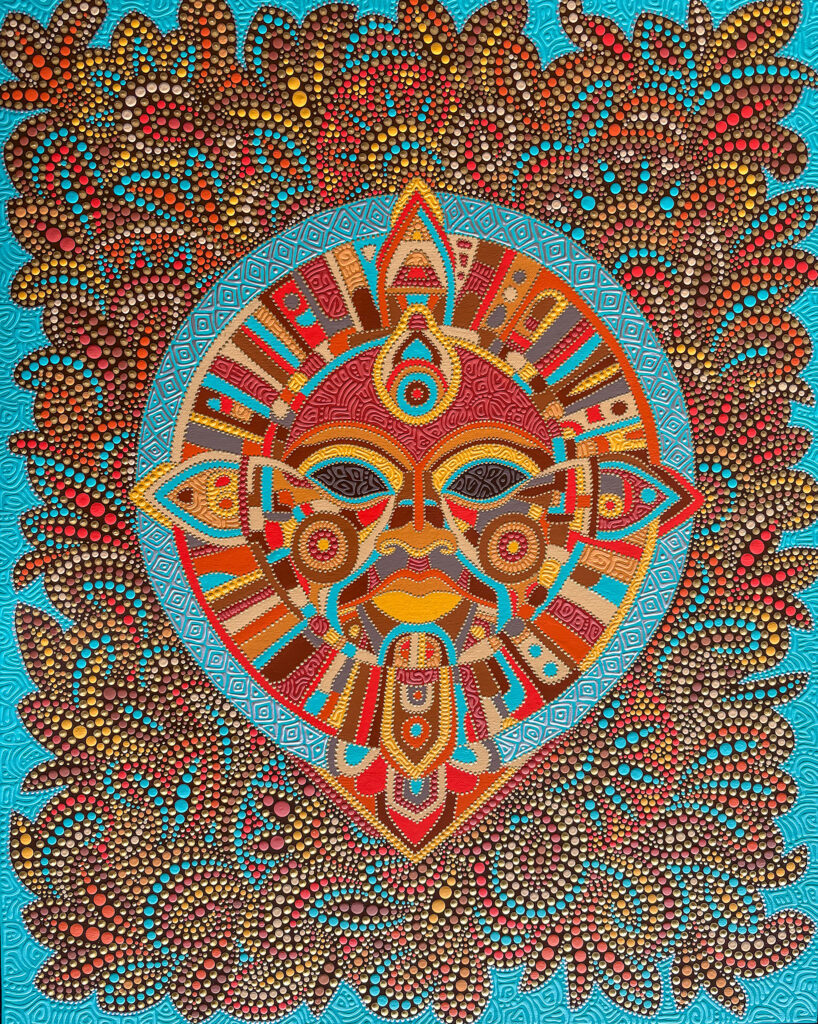
His paintings became more than artistic expression; they became therapy, transformation, and ultimately, a bridge to others seeking their own healing. “My artwork conveys my values and emotions, often speaking for me when I struggle with words,” he explains.
Ramel’s artistic approach reflects a beautiful synthesis of influences — Taino, African, and African American cultures blend seamlessly in his work. Rather than copying traditional styles, he incorporates these rich cultural elements into something uniquely his own.
His creative process is almost ritualistic: “I touch the canvas to clear my mind, then listen to music and select colors.” This meditative approach allows for organic discovery, where what he calls “mistakes” often lead to his most powerful artistic breakthroughs.
This fusion creates art that speaks to people across cultural boundaries. His work resonates with viewers from different backgrounds because it taps into universal emotions and experiences — pain, hope, resilience, and transformation.
Empowering Others Through Authentic Expression
What makes Ramel’s story particularly compelling is how his personal transformation has become a catalyst for empowering others. His artwork has found its way into homes across the country, with an interesting demographic pattern — 99 percent of his buyers are women, drawn to the boldness and emotional depth of his pieces.
“My artwork appeals to people who have their lives together,” Ramel observes, noting that his pieces often serve as gifts of empowerment and inspiration. The fact that women are his primary collectors speaks to something profound about how his work resonates with those seeking transformation in their own lives.
Singer Danielle Ponder’s reaction to his work exemplifies this connection — she felt “safe and genuine” around Ramel and his art, suggesting that his paintings create spaces for authentic emotional expression and healing.

As an artist of color, Ramel faces unique challenges in gaining recognition in higher-end art galleries and prestigious events like Art Basel. Yet rather than letting these barriers discourage him, he’s channeling his energy into creating his own opportunities.
“I want to create my own art show and market it myself,” he states, embodying the entrepreneurial spirit that transforms obstacles into stepping stones. He’s diversified his business to include apparel and home decor, making art accessible to people regardless of their financial situation.
His approach to business mirrors his approach to art — authentic, inclusive, and focused on genuine connection rather than exclusivity.
Lessons in Authenticity and Growth
Ramel’s advice to fellow artists reflects the wisdom gained through his transformative journey: “Create for yourself first and don’t worry about what others think.” He emphasizes the importance of authenticity, noting that even unconventional art can find its audience when it comes from a genuine place.
“Your artwork is not the brand — you are,” he stresses, highlighting the importance of artists understanding themselves as entrepreneurs and storytellers, not just creators. This perspective has allowed him to build what he calls his “tribe,” a community of collectors and supporters who connect with his authentic voice.
Beyond artistic creation, Robert advocates for financial literacy among artists, recognizing that economic empowerment is crucial for sustained creative freedom. He warns against the dangers of neglecting health and priorities while encouraging artists to “think bigger than their current circumstances.”
His own diversification strategy — multiple income streams, catalog development, and long-term planning — demonstrates how artists can build sustainable careers while maintaining their creative integrity.
Ramel’s plan for a black and white exhibition in 2026 represents more than just another show — it symbolizes his commitment to continuous growth and artistic evolution. The exhibition will showcase various styles and possibly include textiles, demonstrating his refusal to be confined by traditional artistic boundaries.
“I believe my paintings will become highly sought after in the future, potentially reaching six-figure prices,” he states with quiet confidence. This isn’t mere ambition — it’s the voice of an artist who has learned to value his own transformation and the healing it brings to others.
The Ripple Effect of Transformation
What makes Ramel’s story so powerful is how his personal healing through art has created ripples of transformation in others’ lives. His paintings don’t just hang on walls — they serve as daily reminders of resilience, cultural pride, and the possibility of turning pain into purpose.
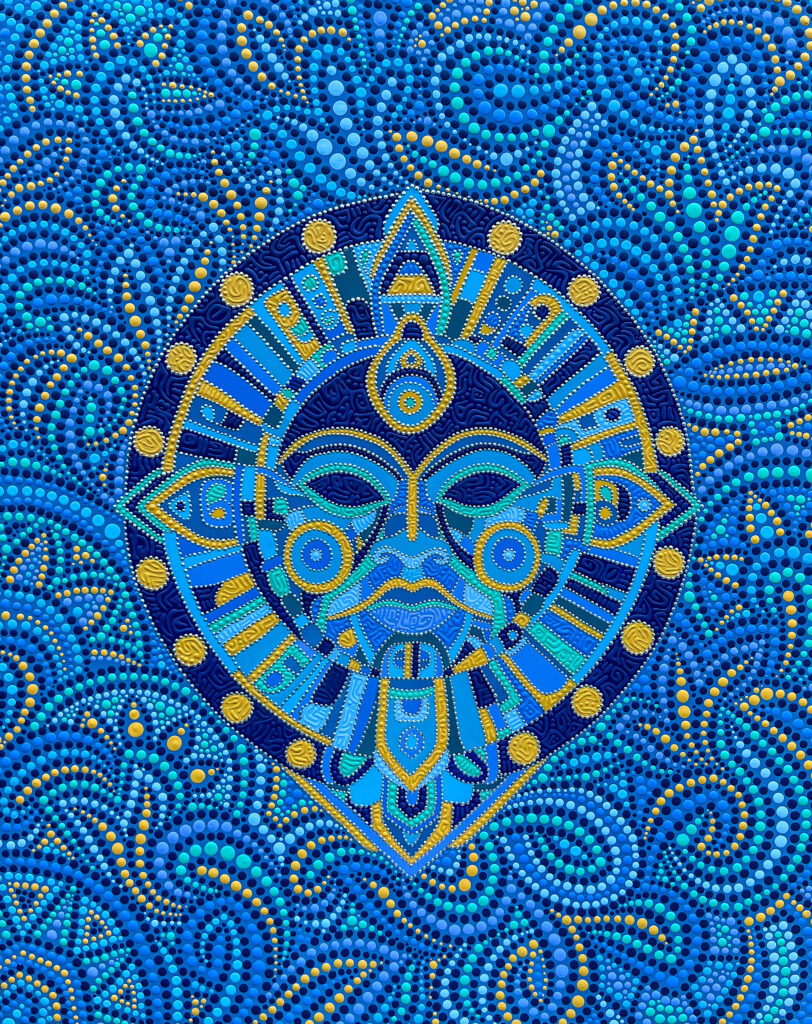
In a world where authentic male voices discussing emotional healing and transformation are often underrepresented, Ramel’s journey offers something vital. His willingness to be vulnerable about his struggles while demonstrating the power of creative expression to heal provides a roadmap for others facing their own challenges.
His emphasis on discipline, consistency, and attention to detail in his largely one-man operation shows that transformation requires both emotional openness and practical dedication. It’s a powerful combination that has allowed him to build not just an art career but a platform for inspiring others.
As Ramel continues to paint, teach, and build his artistic empire, his story serves as a beacon for anyone who has faced trauma, loss, or seemingly insurmountable challenges. His journey from a six-year-old boy dealing with his father’s suicide to a confident artist whose work transforms spaces and hearts demonstrates that our deepest wounds can become our greatest sources of strength.
His art proves that healing is not just personal — it’s communal. When we transform our pain into something beautiful and share it with the world, we give others permission to do the same. In Ramel’s vibrant canvases, viewers see not just cultural fusion and artistic skill, but proof that transformation is always possible.
As he prepares for his upcoming exhibitions “Black Line, White Boundaries” and continues to build his artistic legacy, Ramel’s message is clear: authenticity, combined with persistent effort and genuine care for others, can transform not just individual lives but entire communities. His colorful journey reminds us that sometimes the most profound healing happens when we dare to share our truth through the language of art.
