

Across the country — and especially in Ohio — education is standing at a crossroads. Lawmakers debate what should be taught, families demand more equitable resources, and schools scramble to prepare students for a world powered by technology and creativity. At the same time, new restrictions, funding battles, and literacy gaps reveal just how high the stakes have become.
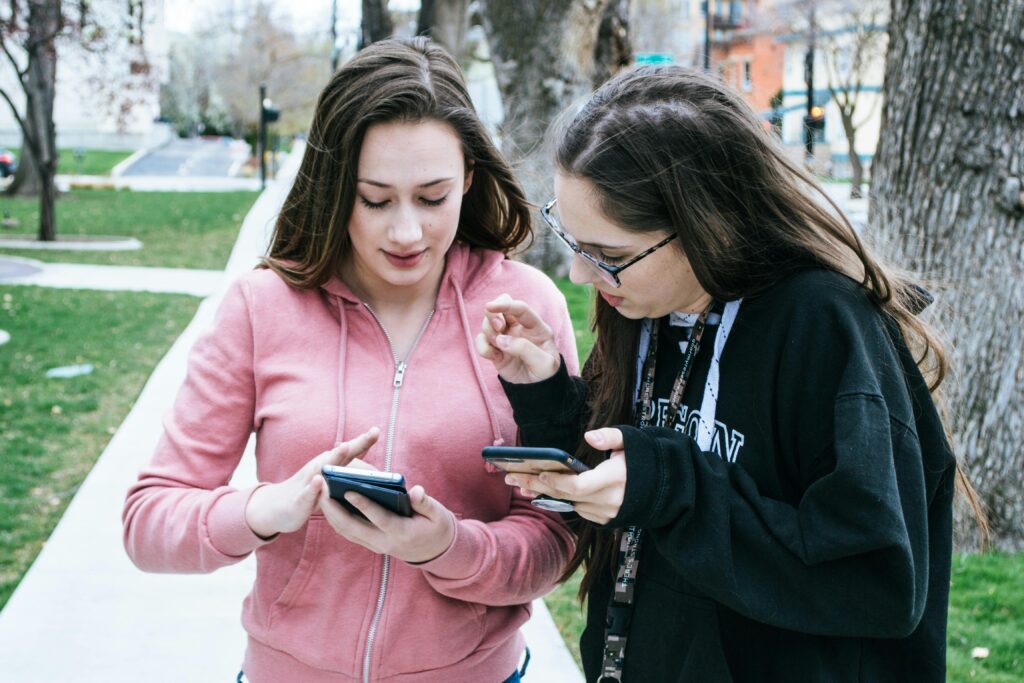
In recent months, lawmakers in Ohio passed a new law requiring school districts to limit student cellphone use during school hours — a move intended to reduce distractions but one that raises deeper questions about access and equity. At the same time, billions in federal education funding — previously delayed — are being released following pushback from educators and policymakers across the state. While the law was introduced by the governor, the responsibility for carrying it out now falls squarely on local districts.
Reactions across Ohio vary. In Dayton, Huber Heights superintendent Jason Enix acknowledged that “there were a few initial complaints about not being able to communicate with students during the day or for emergencies,” but noted that support grew over time and “with consistent expectations in place, there were very few concerns expressed.” Still, some students remain frustrated. Oakwood High School senior Mannie W. argued the policy goes too far because it “still bans [phones] during study halls and just walking through the hallways, which is still a little bit far, in my opinion.”
In central Ohio, districts are adapting the mandate differently. “South-Western City School District is more forgiving, banning phone use in classes but allowing students to use them in hallways and at lunch,” while “Hilliard City Schools only prohibit phone use if it causes disruption,” giving the staff flexibility rather than enforcing a blanket ban.
In Cincinnati, schools are taking a more structured approach with Yondr pouches. Deputy Superintendent Alesia Smith explained, “We don’t want them to feel like they don’t have access to what they need, but they have computers … if there was something that they needed, they could use online at school that way.” Superintendent Shauna Murphy added that the system has produced measurable benefits: “The pouches have helped improve grades, attendance, and in-class behaviors.”

Beneath the surface, literacy remains a longstanding concern. As of the spring 2024 assessment, nearly 40 percent of Ohio students in grades 3 through 8 are not proficient in English language arts — a gap that ReadOhio, the state’s evidence-based literacy initiative launched by Governor Mike DeWine, is working to close. It’s an effort aimed at more than just reading scores — it’s about raising the floor for learning across subjects.
According to the National Assessment of Educational Progress (NAEP), Ohio consistently falls in the bottom half of states for reading proficiency, underscoring how urgent these reforms really are. But literacy alone won’t move students forward. They must also be prepared to lead in an economy driven by technology, creativity, and problem-solving. The Ohio Department of Education’s Quality Model for STEM and STEAM Schools provides a clear framework for schools looking to build that future — through real-world learning, workforce pathways, and community partnerships.
Education in America is facing a series of defining challenges. Questions once confined to classrooms and state boards are now at the center of national debate. The future of the US Department of Education has been repeatedly called into question, as some lawmakers propose eliminating or significantly reducing its role. In parallel, states — including Ohio — have introduced legislation aimed at narrowing the scope of what can be taught in classrooms, particularly regarding topics tied to race, gender, and US history.
Meanwhile, the cost of learning continues to climb. Student loan debt in the US recently surpassed $1.8 trillion and affects approximately 42.5 million borrowers. That’s more than the population of California. These aren’t just national headlines — they reflect the everyday reality for students, graduates, and families trying to navigate a system that often feels unsustainable.
In Ohio, proposed bills like the “Higher Education Elimination Act” and the newly passed cell phone restrictions for public schools have raised concern among educators, families, and community leaders. These policies, combined with longstanding public school funding disparities, particularly in districts like Cleveland, contribute to systemic challenges that limit access to equitable education and opportunity. But this isn’t just a problem for students or teachers — it’s a statewide issue.
The call for education reform — grounded in both equity and innovation — is not partisan. It’s practical. If we are serious about staying competitive in a changing world, then we must treat our classrooms not as afterthoughts, but as foundations for long-term growth and stability. Ohio doesn’t have to wait for Washington to catch up — we can lead right now.
In Cleveland, students are showing us how. Just this August, a group of high school robotics students traveled to Ecuador, delivering 3D-printed prosthetic limbs they built in school. With local help from the Great Lakes Science Center and Med Access International, they fitted 20 children with affordable, life-changing devices — and they’re already planning more. That’s education doing what it’s meant to do: solve real problems through real skills.
Opportunities like that don’t have to be rare. Ohio’s three Innovation Districts — in Cleveland, Columbus, and Cincinnati — are already drawing together universities, hospitals, industry, and creativity. Here, students and researchers can connect with businesses and entrepreneurs in ways that spark new ideas, new jobs, and new energy for our economy.
And beyond the big districts, there’s the steady work of reform. Ohio Excels, a statewide education and business coalition, launched its Reality Check initiative to better align what students learn with the skills employers actually need. This is the kind of leadership Ohio can scale — authentic, rooted in communities, and focused on innovation.
Imagine all schools with makerspaces, partnerships, and hands-on learning built into every semester. Imagine every graduate not just reading, but ready to create, build, and lead.
We already have the building blocks. Now we need the will to invest — locally and statewide — to take these moments from headlines to habits. We don’t need another report. We need more people at the table. Our state is full of educators doing the work — building programs, mentoring students, fighting for better resources—but many are burned out or working in isolation. The truth is, they can’t do it all alone — and they shouldn’t have to. That’s where the rest of us come in.
Community organizations, faith leaders, nonprofits, fraternities, and sororities: this is your moment. Partner with schools. Sponsor a tech lab. Co-host a literacy night. Find out what your local district is missing — and help fill the gap. Legislators and local officials need collaboration, not just criticism. When education is on the agenda, we need more community voices in the room — especially those who understand what students need beyond test scores.
If you’re a parent, a coach, a mentor, a neighbor — you’re part of the village, too. You don’t need a title to make an impact. This isn’t just about education policy. It’s about leadership, legacy, and what we’re willing to invest in the next generation. If we get this right, we won’t just improve schools — we’ll build a blueprint for the country. The work is right here. Let’s get to it.
In the next column, we’ll begin highlighting the people across Cleveland and Ohio who are already doing the work — educators, community leaders, and advocates finding solutions that deserve to be amplified. They don’t just need resources; they need a bullhorn. It’s time to shine a light on what they are building, why it matters, and how each of us can help.
