
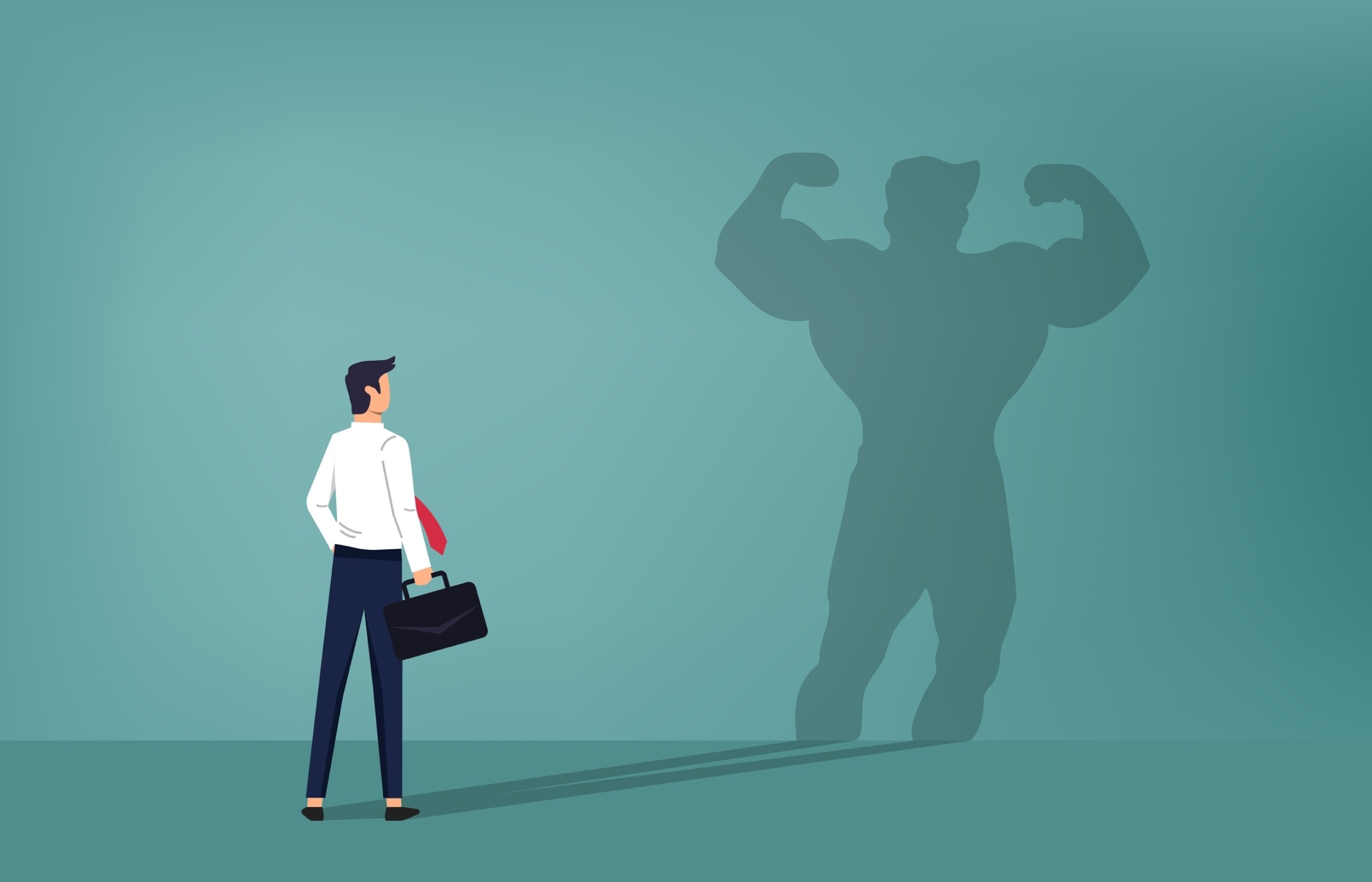
We live in a time where life has never been more convenient. Almost everything has been simplified to the point where effort is an afterthought. But what if advancements in technology are leading to a sedentary lifestyle that’s literally killing us?
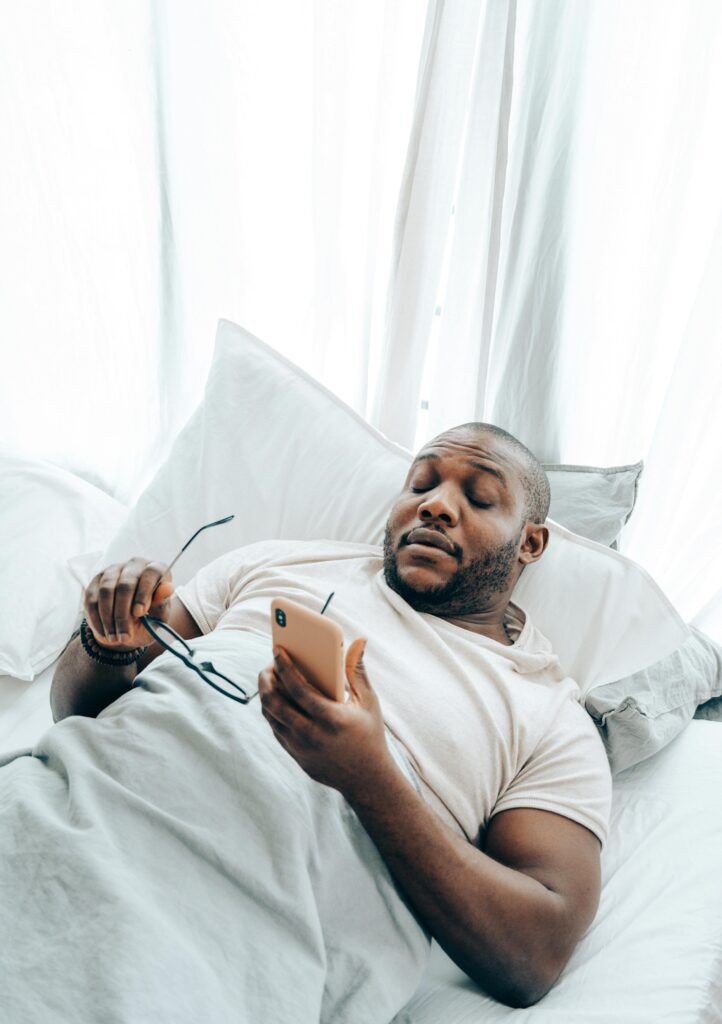
Inactive potential is a reference to those who struggle to be motivated to do anything. Because of life’s conveniences, they don’t have to exert any energy to do anything. This mentality also leads to a lack of desire or motivation to thrive, work, and accomplish anything of meaning.
Because people are spending more time doing sedentary activities, they are becoming numb to effort. During our leisure time, we are often sitting while using a computer or other device, watching TV, or playing video games. Many of our jobs have become more sedentary, with long days sitting at a desk or while commuting. And the way most of us get around involves sitting: in cars, on buses, and on trains.
This lifestyle is creating unhealthy conditions in people that used to only be seen in older people. Today, children are developing illnesses and conditions that used to be reserved for aging seniors.
HOW AN INACTIVE LIFESTYLE CAN AFFECT YOUR BODY
When you have an inactive lifestyle:
- You burn fewer calories. This makes you more likely to gain weight
- You may lose muscle strength and endurance because you aren’t using your muscles as much
- Your bones may get weaker and lose some mineral content
- Your metabolism may be affected, and your body may have more trouble breaking down fats and sugars
- Your immune system may not work as well
- You may have poorer blood circulation
- Your body may experience more inflammation
- You may develop a hormonal imbalance
What are the health risks of an inactive lifestyle?
Having an inactive lifestyle can increase your risk of developing chronic (long-term) diseases. This is sometimes referred to as “sitting disease.” By not getting regular exercise, you raise your risk of:
- Obesity
- Heart diseases, including coronary artery disease and heart attack
- High blood pressure
- High cholesterol
- Stroke
- Metabolic syndrome
- Type 2 diabetes
- Certain cancers, including colon, breast, and uterine cancers
- Osteoporosis and damaging falls
- Increased feelings of depression and anxiety
Having a sedentary lifestyle can also raise your risk of premature death. And the more sedentary you are, the higher your health risks are.
Physical inactivity is a growing concern and a threat to global health, with rates rising by about five percent between 2010 and 2022. This is more common in women than men and among older adults.
Lack of physical activity is linked to poor health, including metabolic syndromes, muscle weakness, and weaker bones. It also affects the brain, with studies finding that increased sitting time is associated with thinning of the medial temporal lobe, which is critical for memory. Just ten days of physical inactivity can lead to insulin resistance and brain changes associated with Alzheimer’s disease.
A bidirectional relationship exists where poor mental health can lead to inactivity, and inactivity can, in turn, lead to further deterioration of mental and physical health.
So, anyone struggling with inactivity is also at risk of developing health conditions that exacerbate mental and physical issues, creating a vicious cycle. The desire to become more active can be frustrating for those who have mental struggles as well.
Creating a whole new process to get moving is possible.
HOW TO BECOME MORE ACTIVE
There are some ways you can be active around your house:
- Housework, gardening, and yard work are all physical work. To increase the intensity, you could try doing them at a more vigorous pace.
- Keep moving while you watch TV. Lift hand weights, do some gentle yoga stretches, or pedal an exercise bike.
- Work out at home with a workout video (on your TV or on the internet).
- Go for a walk in your neighborhood. It can be more fun if you walk your dog, walk your kids to school, or walk with a friend.
- Stand up when talking on the phone.
Get some exercise equipment for your home. Treadmills and elliptical trainers are great, but not everyone has the money or space for one. Less expensive equipment, such as yoga balls, exercise mats, stretch bands, and hand weights, can help you get a workout at home, too.
Creating small wins turns into larger wins, which trains your brain to want more success. That success becomes contagious as you begin to feel better and think better thoughts. There is nothing like putting a solid 30 to 40 minutes into some type of physical activity to jumpstart a change in lifestyle.
The mental aspect of getting going can be tremendous for those who live alone or have fallen into a pattern of lack of movement. There are groups you can join to stimulate activity by doing them together, which reduces the inability to not want to try.
You can begin small and come up with a daily process of progressing slowly until your mind and body begin to crave activity. Over time, increase the activity so you don’t cause harm to yourself or create a medical emergency that stunts your mental and physical health.
HOW YOU CAN BE MORE ACTIVE AT WORK
Most of us sit when we are working, often in front of a computer. It can be challenging to fit physical activity into your busy workday, but here are some tips to help you get moving:
- Get up from your chair and move around at least once an hour
- Park at the back of the parking lot
- Stand when you’re talking on the phone or during a video conference
- Find out whether your company can get you a stand-up or treadmill desk
- Take the stairs instead of the elevator
- Use your break or part of your lunchtime to walk around the building
- Stand up and walk to a colleague’s office instead of sending an email
- Have “walking” or standing meetings with co-workers instead of sitting in a conference room
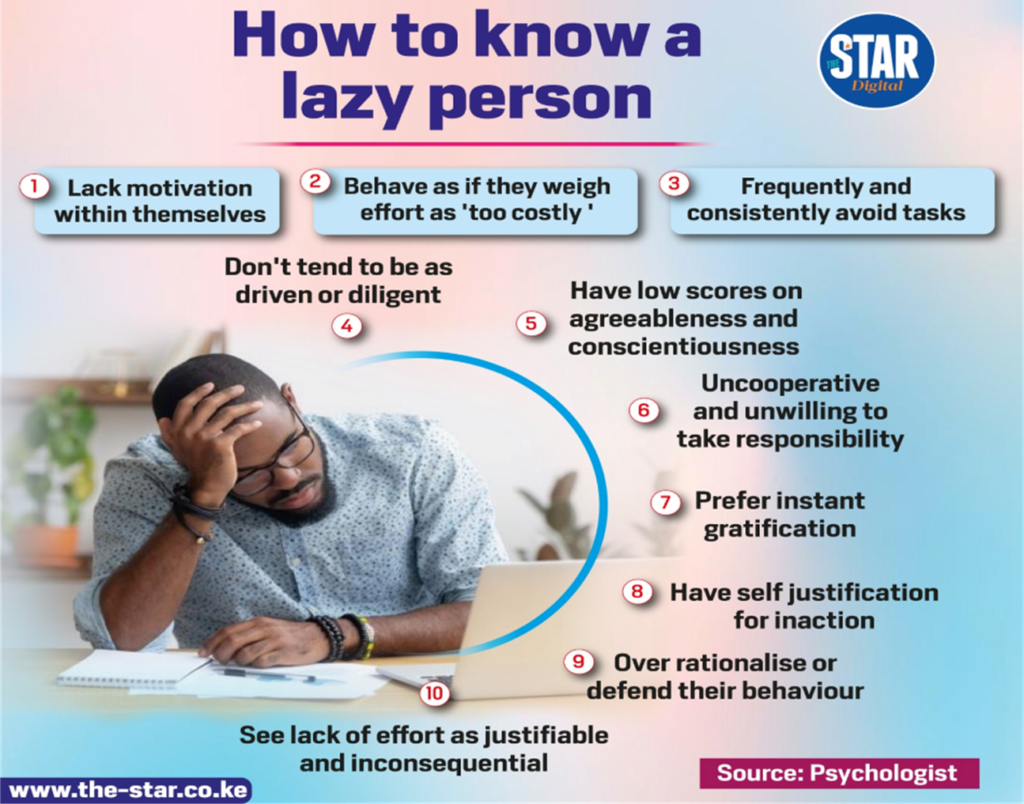
If you are what is called “lazy by nature,” start with reading a book on healthy activities and work to develop a plan for yourself. It’s never too late to start, and once you start, don’t stop until you have reached a level you’re proud of and get the results you desire.
There are devices you can buy that aid in the fun factor of beginning an activity routine. Smart watches, watches that track health, and apps can all be used to maintain a history of your goals. They also help in adding to the fun by recording your steps, and as you hit the set goal, you will desire to increase those goals as you advance.
The human body was not meant to sit and live a sedentary life. It was meant to hunt and gather. Honor your body and yourself by moving and grooving until you’re back in action. 2026 is off to a fast start, and so should you.
