
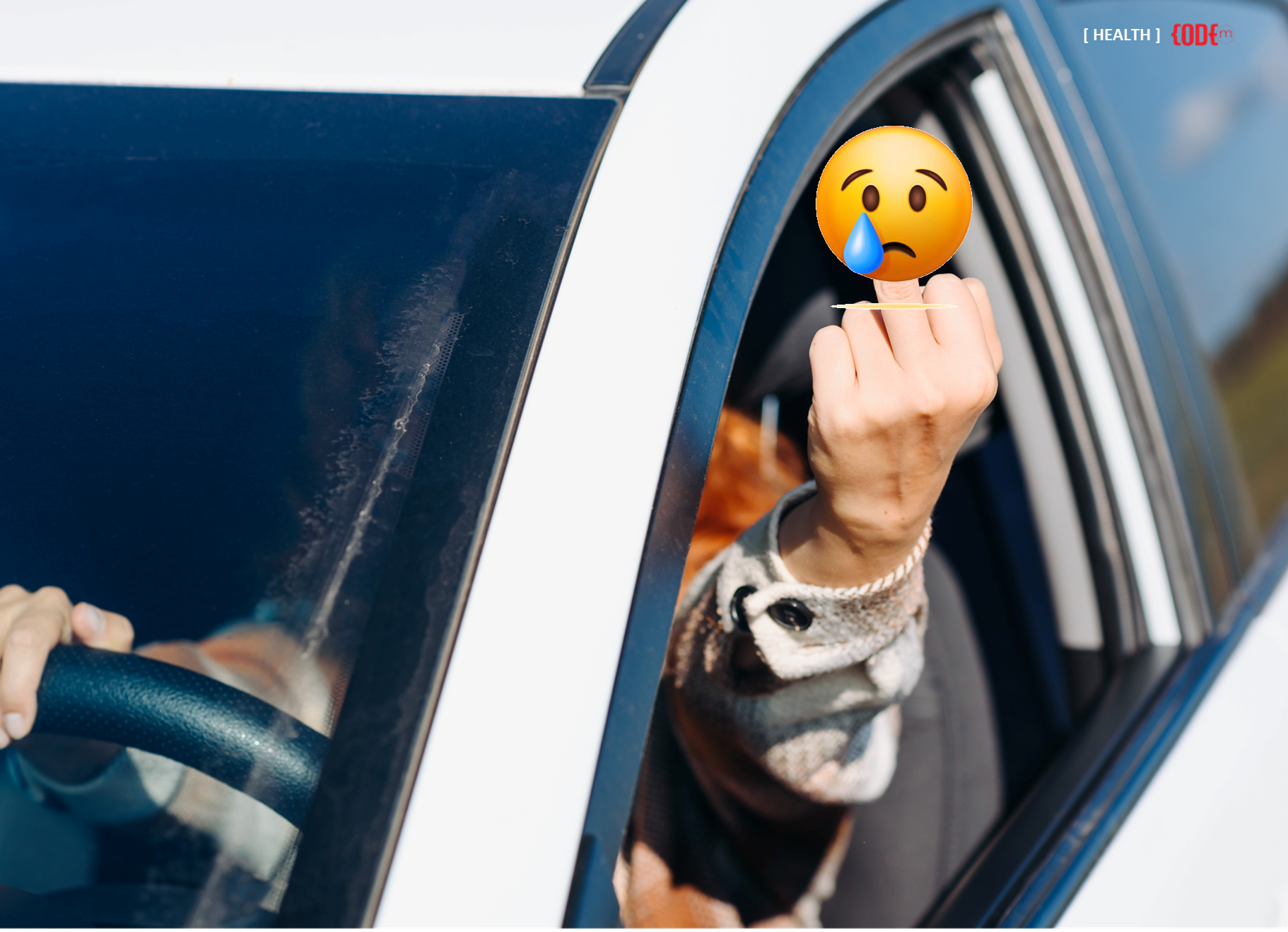
The recent Ryder Cup held in September at Bethpage Black in Farmingdale, New York, was in the news when it was reported that US golf fans exhibited what was termed “shameful, rude, and mean-spirited” heckling directed at the European team. The behavior garnered plenty of press attention as yet another example of Americans’ lack of respect and dignity.
The irony in this is that fans attending Bethpage Black have a reputation for being boisterous, rude, and often vulgar. What’s different about this is that rudeness in general in the US has skyrocketed to unheard of levels. We are now surrounded and inundated with rudeness wherever we are, in all arenas, and at all levels of society.
The analogy is that people of all ages are treating life like a video game where the consequences for one’s actions aren’t real. But people and life are real. People get hurt and traumatized, their lives irreparably harmed, jobs and careers lost. Sometimes, people end up maimed for life, commit suicide, or are killed because of rudeness.
In today’s world, people are mocked and laughed at for their misfortunes. We malign, debase, and dismiss them — and we believe that’s okay to do. The callousness with which we now approach life is dispiriting and only does one thing: take us down a rabbit hole of diminishing compassion, connection, and emotional stability. What used to be considered ill behavior is now commonplace and, in some places, celebrated.
Rudeness takes many different forms from talking on one’s phone while at the movies, to smoking in prohibited places, to destroying property, driving wildly on roads and highways without regard to other drivers’ safety, using course language no matter who is present, blaring music wherever and whenever, talking on the phone when a store clerk is trying to communicate with you, having loud phone conversations while working out at the gym — the list goes on and on.
The Pew Research Center reports that half of people polled say that Americans have gotten ruder since COVID-19. About half of Americans have experienced a downward shift in everyday civility. Many polled said that they experience and witness greater levels of rudeness when in public spaces.
There are a number of reasons why Americans are so rude.
- American hustle culture drives people to step over others considered too slow or low.
- Obsession with and reliance on technology and social media rather than face-to-face interactions has reduced our compassion quotient plus decreased our attention spans and tolerance for anything of length.
- The US is a melting pot, so clashes occur between cultures, religions, ideologies, etc.
- Americans tend to ignore other country’s cultures and conventions, often out of a sense of superiority.
- Many Americans tend not to do their homework when traveling to other places, especially other countries and thus believe that they can do whatever they please.
- The American diet is terrible, which leads to insufficient nutrient intake. That leads to health issues, both physical and mental, which leads to emotional and psychological issues.
- Obesity combined with lack of exercise often leads to poor mental health and one’s sense of self-esteem and self-worth.
- American hubris has created a culture of superiority and entitlement.
- Influencer culture keeps raising the bar — or lowering it depending on your perspective — on flash that lacks substance, depth, and meaning.
- The proliferation of purposeful mis- and disinformation coupled with an education system unable to cope with or create an environment that interests and engages students.
- So much of our news focuses on an unending barrage of negative things, which brings our own mood down and feeds a sense of hopelessness, insecurity, anxiety, and fear.
- Much of American culture is now based on “What’s in it for me?” We’ve added “Why should I care?” to that.

All of this negatively affects our emotional state, and thus, how we communicate and interact with each other. The outcome is: rudeness. One of the underpinning emotions of our rudeness is anger. According to an NPR-IBM Watson Health poll, 84 percent of people surveyed said Americans are angrier today than compared with a generation ago. Of those polled, 42 percent reported that they were angrier in the past year than they’ve been in prior years.
Americans have a lot to be angry about — you name it, it’s buggin’ us. The big question is: How do we deal with our anger when we’re surrounded by a million things that trigger us?
As Jack Nicholson said in the movie Anger Management, “Temper is the one thing you can’t get rid of by losing it.” Sappy, but true. For most people, losing their temper may make them feel temporarily better, but that’s just an emotional reaction, not a long-term solution. The problem is: that anger is going to surface again and again unless effectively dealt with.
Seeking professional therapeutic help is what most people consider because working with someone who offers a dispassionate, neutral perspective wherein the observer has no emotional investment in the client and their anger issues is extremely helpful. There are also anger management support groups one can join. They’re very helpful in many perspectives and lived experiences are brought into play that are highly relatable to the group’s members.
Not everyone, though, wants to work with anyone else and would prefer to handle things on their own. In that case, the following tips are useful to develop and practice.
Identify triggers – triggers are those things that provoke an emotional reaction. That could be something as simple as a word or phrase, a scene in a movie, someone’s actions, or a song. Identifying what causes us to be triggered is important so that we don’t keep setting ourselves up for meltdowns or blowups.
Determine if the anger we’re experiencing is helpful or not – knowing when expressing anger is appropriate or not allows us to manage our response rather than be a slave to it. We then can choose a different response to and interaction with the situation that resolves or dissolves it.
Recognize the warning signs – we can all feel when our anger switch is going to flip on for whatever reason. We then have to ask ourselves at this decision point which direction we want to go.
- We can step away from the situation without engaging – as difficult as this can be because of how we’ve been socially conditioned about saving face, standing our ground, not backing down, manning up, etc., taking this action can save our dignity and maybe even our life.
- Talk through our feelings with someone we trust – trust is in short supply these days, so having someone in our corner is extremely helpful. Whomever we talk with, it’s not just about getting things off our chest, but working toward positive solutions.
- Breathe and relax – okay, when in the heat of the moment, this can be the last thing we think of doing, but boy does it work. This simple approach allows us to press our internal pause button and even help us to take a step back to gain a larger, calmer perspective.
Recognizing that we’re angry is only part of the emotional equation. We also need to figure out what that anger is actually based upon so that we get to the heart of our emotional response and begin to understand it more deeply. That process then allows us the option to release it and gain a whole new level of personal freedom.
By utilizing the above tips, we can create what would be termed an “Emotional Response Kit,” something to draw upon at any given time. One side effect of effectively using this kit is that we begin to know ourselves better and, through that process, become ever freer from emotional baggage and entrapments. We also learn what’s our own to deal with and what belongs to others.
Finally, one last thing we can learn is that we are in charge of our own emotions, no one else’s. If they’re rude, that’s their problem — we now have the ability to respond more maturely rather than react. And just knowing we don’t have to be in charge of or solve others’ emotions is a big relief. We have enough on our own plates to deal with.
So, let’s serve up the best version of ourselves possible and do our part in making the world more hospitable and heart-centered!
