
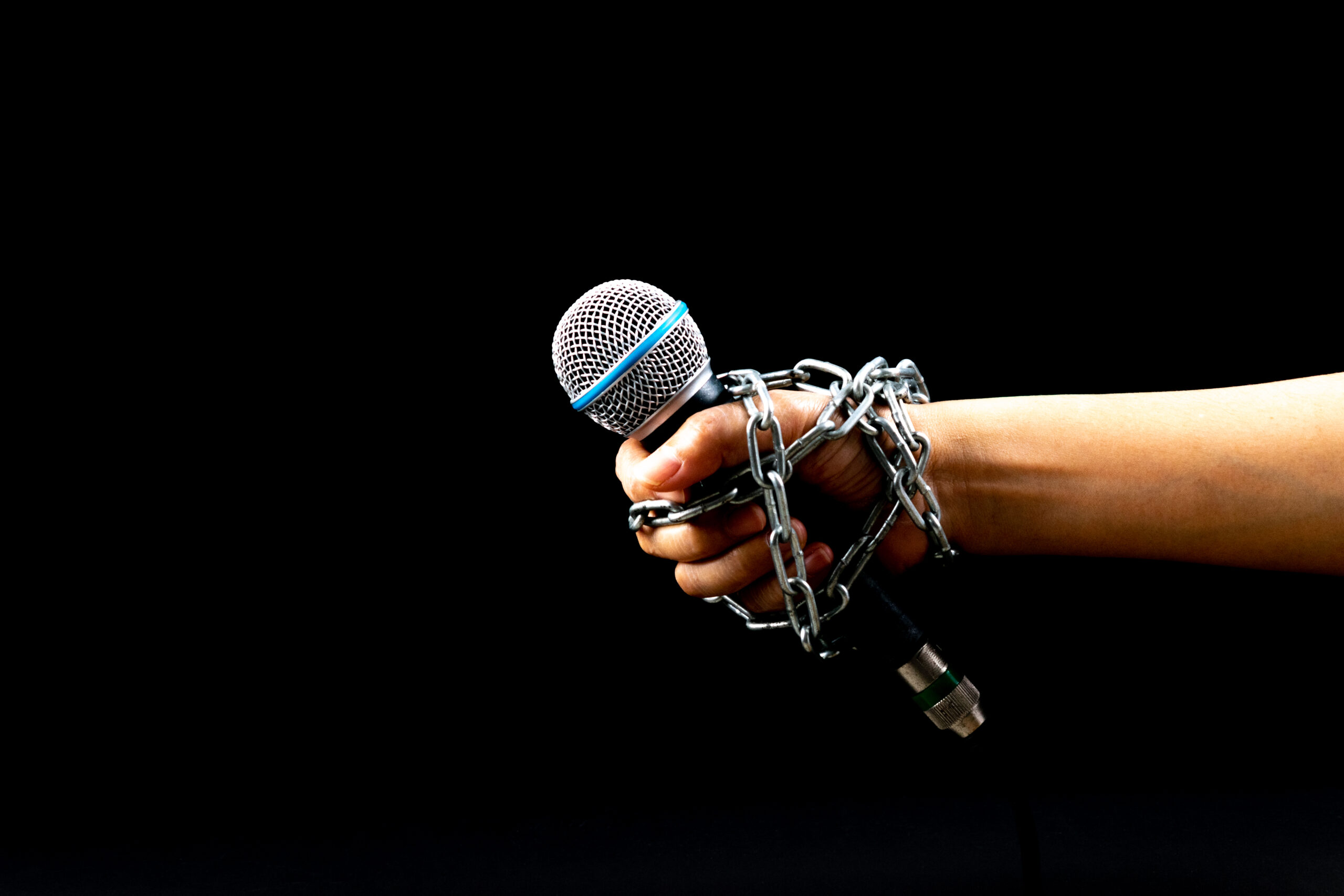
In mid-September, YouGov reported that 55 percent of Americans, mostly Democrats and Independents, say the state of freedom of speech is somewhat or very bad, with only 27 percent, mostly Republicans, saying that it is good. However, Democrats, Independents, and Republicans are all viewing the state of freedom of speech more negatively since this past spring.
Since the beginning of President Trump’s second term, there has been a growing amount of concern about how freedom of speech is being handled, defined, and misapplied.
Several public figures have risen to prominence, amplifying ongoing debates surrounding freedom of expression, with Charlie Kirk being one of the most controversial.
Countless conservatives consider Kirk a hero, and many viewed him as a strong advocate of our right to freedom of speech. Since his passing, his resolute supporters have compared his legacy to civil rights leader Rev. Dr. Martin Luther King, Jr., and he’s been labeled as a martyr.
However, many in the civil rights community haven’t let the comparisons to Dr. King slide. In those circles, Kirk’s legacy is far from celebrated, and he is frequently referred to as a White supremacist.
Many accused his rhetoric of targeting the Black community, particularly Black women, immigrants, and the LGBTQ+ community. After his death, people have spoken up regarding his controversial remarks, only to be retaliated against and some were unexpectedly fired from their jobs as a result.
This has led many to a crucial question: Is there a double standard concerning who can enjoy freedom of speech?
The termination of Black opinion columnist Karen Attiah from The Washington Post has sparked much discussion because she posted on BlueSky one of Kirk’s most controversial statements.
“Black women do not have the brain processing power to be taken seriously. You have to go steal a white person’s slot.”
The Post stated that her commentary was “unacceptable,” “gross misconduct,” and endangered the physical safety of her colleagues.
This has sparked outrage in the Black community, especially among Black journalists, and the National Association of Black Journalists (NABJ).
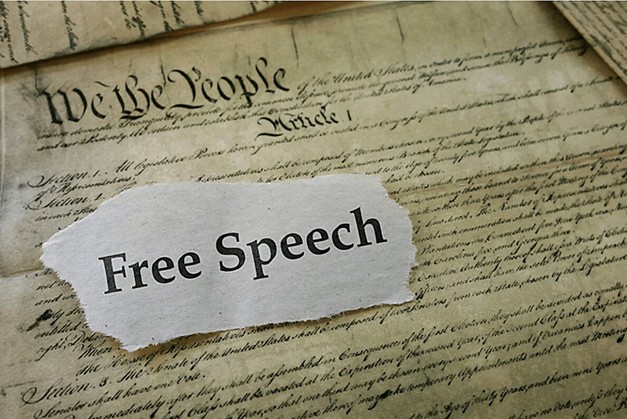
“The dismissal earlier this month of Attiah, who was the founding Global Opinions editor responsible for bringing diverse perspectives to the paper’s pages, has raised an alarm about the erosion of Black voices across the media,” said the NABJ press.
The NABJ recently met with The Post to ensure that they stay committed to diversity within their newsroom. Executive Editor of The Post, Matt Murray, stated that they continue to prioritize diversity and giving opportunities to journalists of color. Moving forward, the NABJ seeks to develop a formal relationship with The Post to ensure accountability.
The impact of the evolving standards of fairness in freedom of speech has not been limited to journalists and public figures. Censorship of various segments of the population that express dissenting views has trickled down to everyday individuals and is preventing citizens from freedom of expression. An example of this is the overwhelming censorship of social media posts, which limits access to information.
After Kirk’s death, there were multiple complaints of racial harassment on the campus of Delta State University in Cleveland, Mississippi. A few days later, news came out about a young college student named Demartravion “Trey” Reed, who was found hanging from a tree near the campus.
Reed’s initial autopsy by local and state officials ruled his death a suicide. However, the details surrounding his death has led his family, legal team, and many others to believe he was lynched.
Former NFL player and activist Colin Kaepernick’s Know Your Rights Camp Autopsy Initiative has funded an independent second autopsy. The initial report claims that Reed’s death wasn’t a suicide, but it has not been officially confirmed by his legal team.
According to Jayden Reynolds, a student at Howard University in Washington, D.C., he didn’t see a lot of coverage on Reed’s death, so he decided to post about it on his Instagram page. Later, he realized that he’d been shadow-banned, meaning that his story was no longer viewable to his followers.
Reynolds made it clear that this won’t stop him from speaking up for the Black community, but he is thinking about social media in a way that he didn’t before.
“I will continue to post, but now I am more alert to odd changes in viewership,” Reynolds said. “I’m not someone who tries to create content. I was merely just reposting a story to get the attention of my peers and my friends who follow me, and only receiving fourteen viewers when I have around 570 followers doesn’t make sense. It doesn’t add up.”
This experience led Reynolds to question whether a double standard exists regarding who is truly afforded the right to free speech. Based on his own experience, he believes such a disparity does exist. Especially when it involves advocacy for the Black community.
“I definitely believe that Black voices are being disproportionately silenced,” Reynolds said. “All marginalized groups are given a lot less exposure to mainstream algorithms as opposed to
non-POCs.”
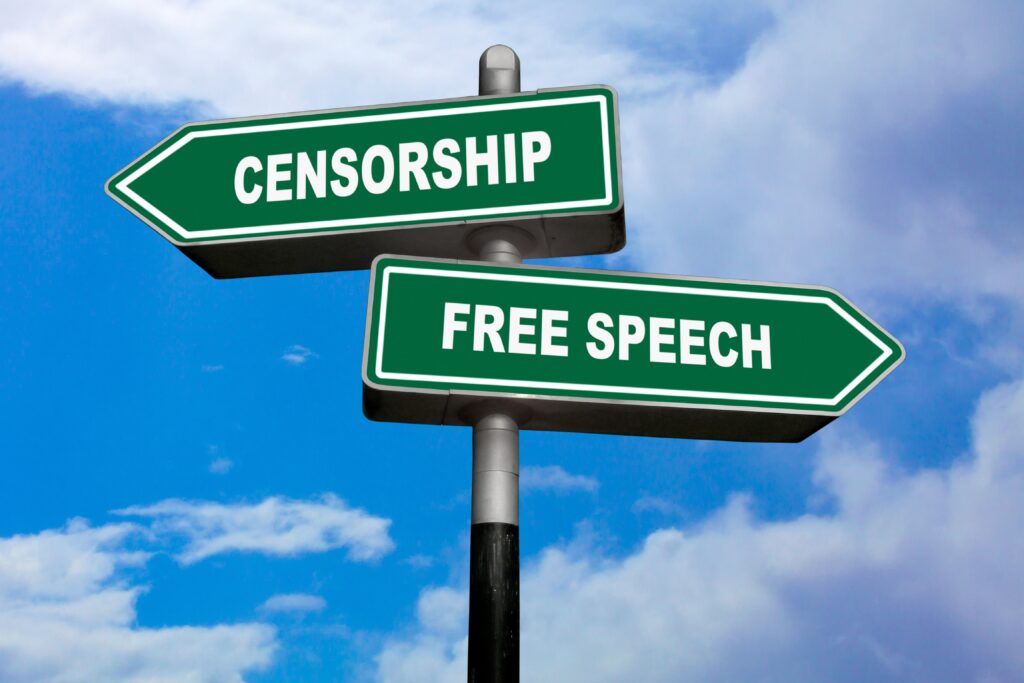
There are a lot of concerns about the current state of free speech, but the nuances of what constitutes protected speech are often misunderstood by the general public. There is often confusion about where the right to free speech begins and ends. However, on an Instagram post, the American Bar Association provides more clarity on our First Amendment rights.
“Speech between individuals or on social media that is not controlled or influenced by the government does not fall under First Amendment protections. Private individuals, businesses, or organizations are not prevented from imposing their own restrictions on speech.”
The First Amendment restricts only government action, not private entities. Therefore, organizations like The Washington Post are within their legal rights to regulate employees’ speech if it conflicts with company policies. Similarly, platforms such as Instagram may moderate or limit the visibility of posts they deem inappropriate or can choose to limit or remove posts that don’t align with its policies.
The experiences of Karen Attiah and Jayden Reynolds highlight the ethical implications of silencing speech rather than its legal ramifications. Many people express concern about the suppression of Black voices, particularly in today’s polarized political climate. Nevertheless, numerous organizations such as the National Coalition Against Censorship and the American Civil Liberties Union (ACLU) continue to advocate for the protection and amplification of diverse perspectives.
Censorship, when used to silence disagreement, risks eroding the very foundation of open dialogue. Yet, total freedom without accountability can lead to harm. The press and platforms such as Instagram have a moral challenge that lies in finding a balance between protecting users from dangerous content while still honoring the principle that everyone deserves to be heard. The challenge is ensuring that moderation policies do not disproportionately restrict marginalized voices and further suppress the perspectives of underrepresented communities.
